New York Ladder Accident Lawyers

If you or someone you love was hurt in a ladder accident, New York ladder accident lawyers at Gorayeb & Associates are ready to fight for the compensation you deserve. Ladder falls are among the most devastating injuries on New York City construction sites — and under New York Labor Law Section 240, you may have powerful legal rights your employer cannot take away.

Whether you need a ladder accident attorney NYC trusts or an NYC ladder fall lawyer with decades of courtroom experience, our firm has the skills and resources to pursue maximum compensation on your behalf. Since 1982, Gorayeb & Associates has helped more than 10,000 injured workers recover over $2 billion.

Ladder work in New York City construction carries unique dangers that workers in other markets rarely face. Cramped interiors in pre-war buildings force workers to set up ladders in narrow hallways and stairwells with limited clearance. Height requirements on high-rise projects mean that even routine tasks — running conduit, finishing drywall, installing sprinkler lines — often require climbing at dangerous elevations. Workers frequently use ladders to access scaffolding platforms, mechanical floors, and setback roofs where a single misstep can result in a multi-story fall.

Our bilingual legal team is available for free, confidential consultations 24 hours a day, 7 days a week. Hablamos español.

Visit our New York Construction Accident Lawyers homepage to learn more about our full range of practice areas.

caida por las escaleras de espaldas

Have questions after a ladder accident? A free consultation can help you understand your options.

Hablamos español

For Construction Accidents, Go with Gorayeb™

Gorayeb

Why Are Ladder Accidents So Common on NYC Construction Sites

New York City’s construction industry creates conditions where ladder accidents happen every day. According to the Bureau of Labor Statistics, ladder falls cause approximately 20,000 injuries per year nationwide — and New York workers face additional risks that workers in most other states do not.

Factors that make NYC ladder work especially dangerous include:

  • Aging building stock that requires constant maintenance at height
  • Narrow floor plates and tight interiors that limit stable ladder placement
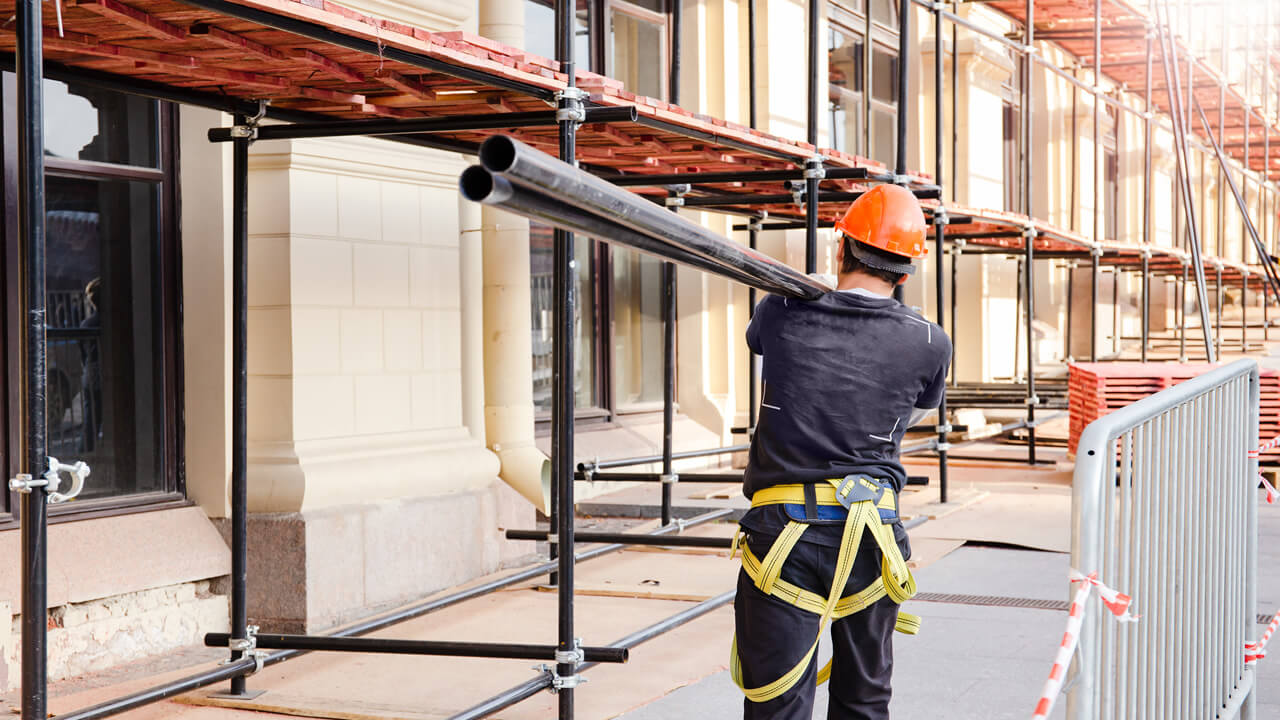
  • Sidewalk sheds and scaffolding systems that force workers into awkward climbing positions
  • High-rise construction where a single fall can be fatal
  • Pressure from supervisors to work quickly, cutting corners on safety

Data from OSHA Ladder Safety Standards consistently ranks falls — including ladder falls — as the leading cause of death in the construction industry.

New York City’s ongoing construction boom intensifies these risks. With active construction projects in all five boroughs — from residential towers in Brooklyn and Queens to commercial developments in Manhattan and mixed-use projects in the Bronx and Staten Island — the pace of development puts constant pressure on workers and supervisors to move fast. The NYC Department of Buildings conducted over 416,000 inspections in 2024, and construction falls remain the number one cause of worker fatalities in the city. The sheer volume of job sites means more workers on ladders every day, and more opportunities for the kind of shortcuts and oversights that lead to serious accidents.

What is Workers' Compensation?

The numbers behind ladder accidents tell a clear story: falls remain the single deadliest hazard in the construction industry, and ladders are involved in a significant share of those incidents. Understanding the scale of the problem helps explain why New York’s labor laws impose such strong protections on workers who perform elevation-related tasks.

According to the Bureau of Labor Statistics, falls are the number one cause of death in the construction industry nationwide. In 2024, there were 370 fatal falls in construction — and the construction industry accounts for roughly 47 percent of all fatal workplace falls across every sector. Ladder-related incidents specifically account for an estimated 100 deaths and approximately 20,000 injuries per year nationally, according to OSHA estimates.

In New York City, the NYC Department of Buildings reported 638 total construction incidents in 2024, including 482 worker injuries and 7 fatalities. Of those 7 fatalities, 4 were caused by falls — making falls the leading cause of construction death in the city by a wide margin. These numbers reflect only incidents reported to the DOB; the actual count of ladder-related injuries across all NYC job sites is likely higher.

Accidente de escaleras en construcción

OSHA’s Top 10 Most Cited Violations list reinforces the pattern. Fall protection violations under 29 CFR 1926.501 rank as the number one most-cited standard year after year, with 6,307 citations issued in FY 2024 alone. Ladder violations under 29 CFR 1926.1053 consistently appear in the top 10. The frequency of these citations demonstrates that employers routinely fail to follow basic ladder safety rules — rules that exist specifically to prevent the kinds of injuries our clients suffer.

New York City’s density and construction volume mean that the city accounts for a disproportionate share of national ladder incidents. More active job sites, more workers at height, and more aging buildings requiring maintenance at elevation all contribute to a risk environment that is measurably more dangerous than most other markets in the country.

What Types of Ladder Accidents Happen Most Often in New York City

Ladder accidents on New York construction sites take many forms. The most common types our ladder injury lawyers handle include:

  • Falls from extension ladders due to improper setup angle or unsecured base
  • Stepladder collapses caused by defective locking mechanisms or overloading
  • Falls caused by wet, greasy, or debris-covered ladder rungs
  • Ladder tip-overs when placed on uneven or unstable surfaces
  • Electrocution from metal ladders contacting overhead power lines
  • Falls caused by missing or broken ladder safety feet or rubber grips
  • Injuries from carrying tools or materials while climbing a ladder
  • Falls from ladders placed on scaffolding or elevated platforms

Many of these accidents overlap with other construction hazards. Workers injured in ladder-related incidents on scaffolding should also review our New York Scaffolding Accident Lawyers page. Ladder falls from rooftops are covered under our New York Roofing Accident Lawyers practice area. If a falling tool or material from a ladder struck you, see our New York Falling Object Accident Lawyers page.

Falls from Extension Ladders

Extension ladder falls are the most common type of ladder accident on New York construction sites. These falls typically happen when the ladder is set up at the wrong angle — OSHA requires a 4-to-1 ratio for portable ladders, meaning the base should be one foot away from the wall for every four feet of height. When this ratio is ignored, the ladder becomes unstable.

Other common causes include failing to secure the top or bottom of the ladder, placing the ladder on soft or uneven ground, and workers reaching too far to the side instead of repositioning the ladder. On NYC job sites, space constraints often force workers to set up extension ladders in less-than-ideal positions, increasing the risk of a sideways fall.

Stepladder Collapses and Tip-Overs

Stepladder accidents often involve a mechanical failure of the spreader bar — the hinged metal brace that locks the ladder in the open position. When spreader bars wear out, corrode, or are not fully engaged, the ladder can collapse without warning. Overloading a stepladder beyond its rated capacity is another frequent cause, especially when workers carry heavy tools or materials while climbing.

Tip-overs occur when stepladders are placed on uneven surfaces, used on ramps or stairs, or positioned too close to an edge. A four-foot fall from a stepladder may not sound dramatic, but the sudden, unexpected nature of the collapse gives workers no time to brace for impact.

Electrocution on Metal Ladders

Electrocution incidents on metal ladders are among the most dangerous ladder accidents on construction sites. These occur when aluminum or other conductive ladders contact overhead power lines or come into proximity with live electrical equipment during exterior work. OSHA requires workers to maintain at least 10 feet of clearance from power lines, but on crowded NYC job sites, that distance can be difficult to maintain — especially when workers are focused on the task and not monitoring their surroundings. These accidents are frequently fatal.

What Injuries Do Our New York Ladder Injury Lawyers Handle

Ladder falls produce some of the most severe injuries in the construction industry. Our attorneys handle cases involving:

  • Traumatic brain injuries (TBI) from striking the head during a fall
  • Spinal cord injuries and paralysis from high-elevation ladder falls
  • Multiple fractures — legs, arms, pelvis, ribs — from impact with the ground or equipment
  • Shoulder, knee, and hip injuries from twisting or catching during a fall
  • Internal organ damage from blunt force trauma
  • Crush injuries when ladders collapse onto workers or bystanders
  • Wrongful death when a ladder fall proves fatal — see our Wrongful Death Lawyers page
evidencia necesaria tras accidente de construcción en Nueva York

Many of these injuries have consequences that extend far beyond the initial recovery period. A construction worker who suffers a spinal cord injury or severe TBI may never return to the trade. Even fractures that heal can leave chronic pain, reduced range of motion, or hardware complications that limit a worker’s ability to perform physical labor. These long-term effects are a critical part of calculating the full value of a ladder accident claim — not just the immediate medical bills, but the lifetime impact on earning capacity and quality of life.

Height of fall correlates with injury severity, but even falls from under 10 feet can cause devastating harm. According to Bureau of Labor Statistics data, 64.4 percent of fatal falls from heights occur from elevations between 6 and 30 feet — precisely the range where most ladder work takes place. A worker who falls 8 feet onto a concrete floor can suffer the same traumatic brain injury as someone who falls from a much greater height. There is no such thing as a “safe” ladder fall.

Which Construction Workers Are Most at Risk for Ladder Accidents?

Certain trades put workers on ladders far more often than others. Painters, electricians, HVAC technicians, roofers, siding installers, window workers, and general laborers all perform tasks that require frequent climbing — often multiple times per shift. These are the workers who face the highest cumulative risk of a ladder accident over the course of a career.

Most ladder work on construction sites occurs at heights between 6 and 25 feet. These are not the dramatic high-rise elevations that make the news, but they are more than enough to cause life-altering injuries. A 12-foot fall onto a concrete slab can fracture a pelvis, compress a spine, or cause a traumatic brain injury that changes everything.

Experience and training play a significant role in ladder accident risk. Newer workers are disproportionately affected because they may not have received proper ladder safety training — or may not have received it in a language they understand. OSHA requires employers to provide training in a language workers can comprehend (29 CFR 1926.1053(b)(15)), but enforcement is inconsistent, especially on smaller job sites.

Hispanic and immigrant workers are disproportionately represented in the trades that use ladders most frequently. Language barriers mean that safety instructions, warning signs, and training materials may not be understood by the workers who need them most. At Gorayeb & Associates, we see this pattern in case after case — a worker who was never trained on proper ladder setup in Spanish, working for a contractor who posted safety rules only in English. These failures are not just unsafe — they are violations of federal law.

Who Is Liable for a Ladder Accident in New York

New York law holds multiple parties responsible for ladder safety on construction sites. Depending on the circumstances, liability may extend to:

  • Property owners — Under New York Labor Law Section 240, property owners bear absolute liability for failing to provide proper safety equipment for elevation-related work, including ladder work
  • General contractors — General contractors who control the job site have a duty to ensure all ladder equipment meets safety standards and that workers receive proper training
  • Subcontractors — Subcontractors who supply or direct the use of ladders may share liability when their negligence contributes to an accident
  • Ladder manufacturers — Companies that design or manufacture defective ladders can be held liable under product liability law when a defect causes injury
  • Equipment rental companies — Companies that rent ladders to job sites may be liable if the rented equipment was defective, improperly maintained, or unsuitable for the intended use
documentar lesión trabajo Nueva York

In many ladder accident cases, liability extends to multiple parties simultaneously. A single incident can generate claims against the property owner under Labor Law §240(1), the general contractor under §241(6) for failure to enforce specific Industrial Code safety rules, and the ladder manufacturer under product liability if the equipment was defectively designed or manufactured. Each of these parties may try to shift blame to the others — or to the injured worker. Sorting out these overlapping claims and holding every responsible party accountable is why having an experienced construction accident lawyer matters from the start of your case.

Under Labor Law Section 240, liability is absolute. This means that the property owner or general contractor is liable regardless of the injured worker’s own conduct — unless the worker’s actions were the sole proximate cause of the accident.

Employer-Provided vs. Worker-Owned Ladders and Liability

A frequent question from injured construction workers is whether liability changes when the worker was using their own personal ladder rather than one provided by the employer or general contractor. The answer under New York law is clear: Labor Law Section 240 protections apply regardless of who owns the ladder.

The statute places the duty to provide proper safety equipment on the property owner and general contractor — not on the worker. Even if a worker brought their own ladder to the job site, the owner and contractor remain liable for failing to ensure that adequate, safe equipment was available. The law recognizes that workers should not be penalized for using the only equipment available to them when their employer failed to provide a safe alternative.

Protecting your case starts with understanding your rights. Speak with a New York ladder accident lawyer today — free consultation, no obligation.

For Construction Accidents, Go with Gorayeb™

Gorayeb

How New York Labor Law Section 240 Protects Ladder Accident Workers

New York Labor Law Section 240, known as the “Scaffold Law,” is one of the strongest worker protection statutes in the country. Despite its name, Section 240 applies to all elevation-related work — including ladder work. The law requires property owners and general contractors to provide proper safety devices for workers performing tasks at height.

Under Section 240, employers must:

  • Provide ladders, scaffolds, and safety harnesses that are adequate for the work being performed
  • Ensure all elevation safety equipment is properly constructed, placed, and operated
  • Bear absolute liability when a failure to provide proper equipment causes a gravity-related injury

The “sole proximate cause” defense is the only way for a property owner or contractor to escape Section 240 liability. This defense requires proving that the worker’s own actions — and nothing else — caused the accident. If the employer contributed in any way (such as failing to provide a safer ladder or not securing the ladder properly), the defense fails.

For example, if a property owner provides a 6-foot stepladder for work that requires reaching a 12-foot ceiling, and a worker falls because the ladder was inadequate for the task, the owner is strictly liable under Section 240 — even if the worker could have requested a taller ladder. The statute places the burden on the owner to anticipate the safety needs of the job, not on the worker to demand proper equipment.

In addition to Section 240, injured workers may also have claims under Labor Law Section 241(6), which requires compliance with specific Industrial Code safety regulations, and Labor Law Section 200, which covers general negligence by property owners and contractors.

Industrial Code Rule 23-1.21 (12 NYCRR Part 23) contains specific ladder safety requirements that are directly relevant to §241(6) claims. Under this rule, ladders must be maintained in good condition, rungs must be uniformly spaced, portable ladders must have non-slip bases, and ladders must be placed at the proper angle of inclination. Violations of Rule 23-1.21 are treated as evidence of negligence per se under §241(6), meaning that if a specific Industrial Code provision was violated and that violation contributed to the accident, the worker does not need to prove that the employer acted unreasonably — the violation itself establishes the claim.

Cómo elegir bufete de abogados de lesiones por accidente

Activities Covered Under Section 240 for Ladder Work

Section 240 applies to a specific set of activities: construction, demolition, repair, alteration, painting, cleaning, and pointing of a building or structure. For ladder work, New York courts have held that the statute covers workers who are using a ladder to access a roof or elevated work area, perform painting or finishing work at height, install or repair building systems such as electrical, plumbing, or HVAC, clean windows or building exteriors, and perform inspection or maintenance work that requires elevation.

The key legal requirement is that the task must involve a “significant risk” due to an “elevation differential.” Routine use of a ladder for non-construction purposes — such as changing a light bulb in an office — may not qualify for Section 240 protection. But on a construction site, virtually any task that requires a ladder will meet this threshold. Courts have consistently interpreted the statute broadly in favor of protecting workers.

For a detailed explanation of your rights under this statute, visit our New York Labor Law Section 240 page.

What Compensation Can You Recover After a Ladder Accident in New York

Workers injured in ladder accidents may be entitled to significant compensation. The types of damages available depend on whether the claim is pursued through workers’ compensation, a third-party lawsuit, or both:

  • Medical expenses — emergency treatment, surgery, hospitalization, rehabilitation, and ongoing care
  • Lost wages — income lost during recovery and reduced future earning capacity
  • Pain and suffering — physical pain, emotional distress, and diminished quality of life (available in third-party lawsuits only)
  • Disability benefits — compensation for permanent partial or total disability
  • Loss of consortium — compensation for the impact on the injured worker’s family relationships

Workers’ compensation provides no-fault benefits but limits the types of damages available. A third-party lawsuit against a property owner, general contractor, or equipment manufacturer allows recovery of full damages including pain and suffering. In many cases, workers are entitled to pursue both. For more information, visit our New York Workers’ Compensation Lawyers page.

The practical difference between these two paths is significant. In a typical workers’ compensation claim, an injured worker might receive two-thirds of their average weekly wage (capped by state maximums) and coverage for authorized medical treatment. A third-party Labor Law §240 claim, by contrast, can recover the full value of lost earnings without a cap, complete medical costs, and substantial compensation for pain, suffering, and diminished quality of life — which workers’ comp does not cover at all. Under Workers’ Compensation Law §11, workers’ comp is the exclusive remedy against a direct employer, but it does not bar claims against property owners, general contractors, or other third parties.

A free case review can help you understand what your ladder accident claim may be worth.

Hablamos español

For Construction Accidents, Go with Gorayeb™

Gorayeb

Ladder Accident Wrongful Death Claims in New York

When a ladder accident results in death, the worker’s family may file a wrongful death lawsuit. Under New York’s wrongful death statute, surviving family members can seek compensation for:

  • Lost financial support — the income and benefits the deceased would have provided
  • Loss of parental guidance — for minor children who lost a parent
  • Funeral and burial expenses
  • Conscious pain and suffering — if the worker survived for a period before death

Wrongful death actions in New York are governed by EPTL §5-4.1 and must be brought by the personal representative of the deceased worker’s estate. In construction fatality cases involving Labor Law §240, the estate may pursue both a wrongful death claim and a conscious pain and suffering claim if the worker survived for any period after the accident.

The statute of limitations for wrongful death claims in New York is two years from the date of death (EPTL §5-4.1). Acting quickly is critical because evidence from the construction site can disappear rapidly. For more information, visit our Wrongful Death Lawyers page.

What Should You Do After a Ladder Accident in New York

Taking the right steps after a ladder accident can protect your health and your legal rights. Here is what to do:

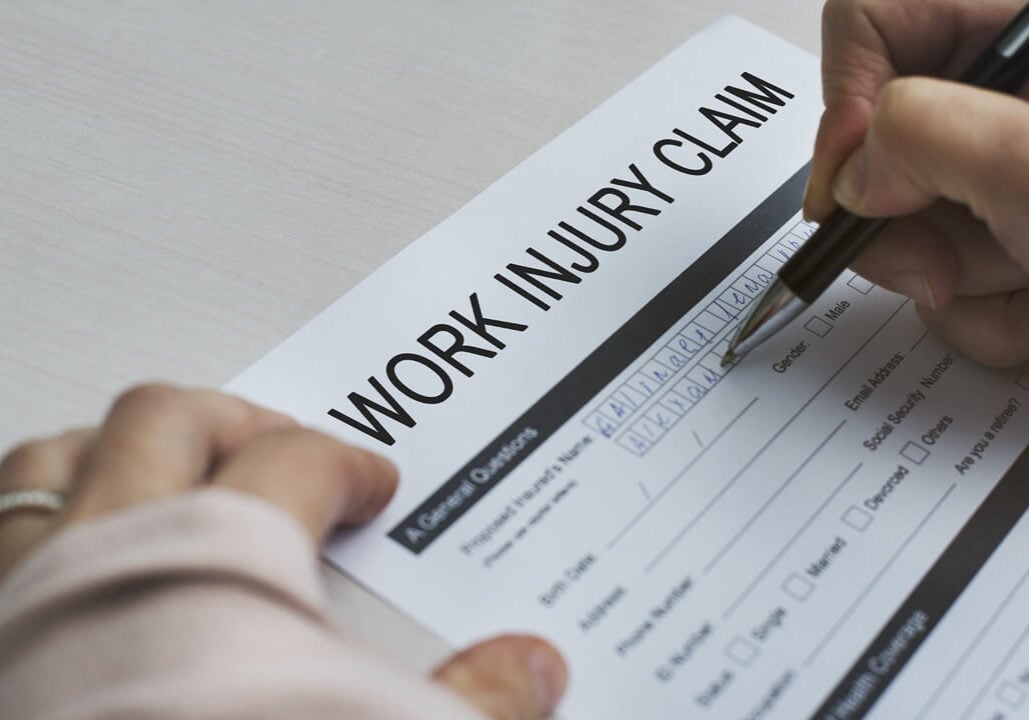
  1. Report the accident immediately. Notify your supervisor and request a written accident report. Under New York law, you must report a workplace injury to your employer within 30 days to preserve your workers’ compensation claim.
  2. Seek medical attention. Go to an emergency room or urgent care facility even if your injuries seem minor. Medical records are critical evidence in any legal claim.
  3. Document the scene. Photograph the ladder, the area where you fell, any broken or defective equipment, and your visible injuries. If there were witnesses, get their names and contact information.
  4. Do not sign anything. Do not sign statements, waivers, or documents from your employer or their insurance company before speaking with a lawyer.
  5. Contact a ladder accident lawyer. An experienced attorney can advise you on your rights before critical evidence is lost. Visit our How to Start Your Construction Accident Case page for a step-by-step guide.

For more guidance on protecting yourself after a workplace injury, read our blog: What Can You Do If You Were Injured on a Construction Site in New York City.

OSHA Ladder Safety Standards Employers Must Follow

The Occupational Safety and Health Administration (OSHA) sets federal safety standards for ladder use on construction sites under 29 CFR 1926.1053. These standards apply to all construction employers in New York and throughout the United States. OSHA Ladder Safety Standards require:

  • Ladders must be capable of supporting the intended load without failure
  • Ladder rungs, cleats, and steps must be parallel, level, and uniformly spaced
  • Portable ladders must be placed on stable, level surfaces unless secured to prevent displacement
  • Extension ladders must extend at least 3 feet above the upper landing surface
  • Workers must maintain three points of contact while climbing
  • Defective ladders must be immediately tagged and removed from service

OSHA’s Top 10 Most Cited Violations list consistently includes fall protection (29 CFR 1926.501) as the number one violation and ladder standards (29 CFR 1926.1053) in the top 10. In FY 2024, fall protection violations alone accounted for over 6,300 citations nationally. When an employer has been cited for OSHA violations — or when an inspection reveals violations after an accident — that evidence can be used in a New York Labor Law §241(6) claim to establish that the employer failed to comply with specific safety standards.

OSHA violations are powerful evidence in a ladder accident lawsuit. When an employer fails to comply with 29 CFR 1926.1053 and a worker is injured, that violation helps establish negligence and strengthens claims under Labor Law Section 241(6).

Tipos de escaleras de trabajo más peligrosas en Nueva York

NYC Department of Buildings Ladder Requirements

In addition to federal OSHA standards, New York City imposes additional safety requirements through the NYC Department of Buildings. The DOB regulates construction safety across all five boroughs and conducts inspections to ensure compliance with the NYC Building Code.

NYC DOB regulations require construction site safety plans that address fall protection, including ladder use. Sites that fail to meet DOB standards face stop-work orders, fines, and potential criminal penalties under Carlos’ Law. DOB inspection data is often used as evidence in construction accident lawsuits to demonstrate that a job site had known safety deficiencies.

Under Local Law 196 of 2017, workers on most NYC construction sites must complete OSHA-30 hour safety training, and supervisors must complete OSHA-62 hour training, including ladder safety modules. Construction sites that require a licensed Site Safety Manager under NYC Building Code §3310.5 must maintain documented safety plans that include fall protection protocols for all elevation work, including ladder access. Failure to comply with these requirements can result in DOB violations, stop-work orders, and significant fines — and it strengthens the legal case for any worker injured due to inadequate safety measures.

For more on the risks construction workers face on NYC job sites, read our blog: Most Common Risks for Construction Workers in New York City.

How Insurance Companies Try to Reduce Your Ladder Accident Claim

Insurance companies have a financial incentive to minimize or deny your ladder accident claim. Common tactics include:

  • Pressuring you to give a recorded statement before you have spoken with a lawyer
  • Offering a quick, lowball settlement before you understand the full extent of your injuries
  • Arguing that you were at fault for the accident to reduce the payout
  • Requesting access to your full medical history to find pre-existing conditions they can blame
  • Delaying the claims process in hopes that you will accept less out of financial desperation

Insurance companies also frequently try to obtain access to your full medical history to find pre-existing conditions they can use to argue your injuries are not related to the accident. They may send you to an “independent medical examination” with a doctor of their choosing, whose report often minimizes your injuries. An experienced construction accident attorney understands these strategies and can protect your interests throughout the claims process.

An experienced ladder accident attorney knows how to counter these tactics and fight for the full compensation you deserve.

Do not speak with insurance adjusters before consulting a lawyer. Contact us for a free, confidential case review.

Hablamos español

For Construction Accidents, Go with Gorayeb™

Gorayeb

How the Ladder Accident Claim Process Works

Understanding the steps involved in a ladder accident claim can help you feel more in control of the process. While every case is different, most ladder accident claims in New York follow a similar path from the initial consultation through resolution.

Initial consultation and case evaluation. Your attorney reviews the facts of the accident, determines which laws apply — Labor Law §240(1), §241(6), §200, or a combination — and identifies the parties who may be liable. This includes the property owner, general contractor, subcontractors, and potentially the ladder manufacturer or rental company.

Investigation and evidence preservation. This is one of the most time-sensitive stages. Your legal team inspects the accident scene, examines the ladder itself, photographs site conditions, obtains the employer’s accident report, and requests any OSHA inspection reports or NYC DOB violation records. Witnesses are identified and interviewed. Construction site conditions change rapidly — ladders get replaced, repaired, or removed; scenes get cleaned up; workers leave and move to other jobs. Acting quickly to preserve evidence is critical to the strength of your case.

Filing the claim. In most ladder accident cases, two separate proceedings run in parallel. A workers’ compensation claim is filed with your employer (you must notify your employer within 30 days and file within 2 years). Separately, a third-party personal injury lawsuit is filed against the property owner, general contractor, or other liable parties under a 3-year statute of limitations (CPLR §214). If a government entity is involved, a notice of claim under General Municipal Law §50-e must be filed within 90 days.

Workers compensation en NY: conozca sus beneficios semanales

Discovery and depositions. Both sides exchange documents, inspect the ladder if it has been preserved, and depose witnesses and parties under oath. Expert witnesses may be retained to analyze the ladder’s condition, evaluate OSHA compliance, and explain the mechanism of failure to the court. This phase establishes the factual record that drives settlement negotiations or trial.

Negotiation and settlement. Most construction accident cases in New York settle before trial. Insurance companies frequently push for early, lowball settlements — especially when they know the injured worker is under financial pressure. An experienced attorney ensures the full value of the claim is established before entering negotiations, including future medical costs, lost earning capacity, and pain and suffering.

Trial if necessary. If a fair settlement cannot be reached, the case goes to trial. Jury verdicts in NYC construction accident cases involving Labor Law §240 can be substantial because the statute imposes absolute liability on property owners and general contractors. The decision to go to trial is always made in consultation with the client, and your attorney will prepare you for what to expect.

How Long Does a Ladder Accident Case Take in New York?

One of the most common questions injured workers ask is how long their case will take. The honest answer depends on several factors, but understanding the general timeline can help set realistic expectations.

Workers’ compensation benefits typically begin within a few weeks of filing if the claim is accepted. If the employer or its insurance carrier disputes the claim, the process can take longer while the case is heard before the Workers’ Compensation Board.

Third-party lawsuits — the personal injury claims filed against property owners, general contractors, and other liable parties — generally take 1 to 3 years from filing to resolution. NYC courts carry substantial caseloads, and scheduling delays are common. Cases that go to trial typically take longer than those that settle.

Several factors affect the timeline: the severity of your injuries (cases involving ongoing treatment may wait until you reach maximum medical improvement so the full extent of damages can be calculated), the number of liable parties involved, the complexity of liability disputes, how cooperative the insurance companies are, and whether the case ultimately goes to trial.

While the process takes time, an experienced attorney can often secure interim relief. Workers’ compensation benefits provide income and medical coverage while the third-party case develops. Your attorney can also push back against unnecessary delays by the defense and keep the case moving forward.

Our Commitment to the Hispanic Construction Worker Community

Hispanic and Latino workers make up a disproportionate share of the construction workforce in New York City — and a disproportionate share of those injured and killed on job sites. According to NIOSH, fall-related injuries and deaths affect Hispanic construction workers at higher rates than the industry average.

At Gorayeb & Associates, we have served the Hispanic construction community for over 40 years. Our attorneys and legal staff are bilingual, and every aspect of our practice — from intake to trial — is available in Spanish. We also support the community through the Gorayeb Community Center, which provides resources and assistance to immigrant workers and their families.

Your immigration status does not affect your legal rights. Undocumented workers have the same protections under New York labor law as any other employee. A ladder accident claim will not trigger an immigration investigation, and all communications with our legal team are protected by attorney-client privilege. Hablamos español.

Frequently Asked Questions About Ladder Accidents in New York

The value of a ladder accident case depends on the severity of the injuries, the extent of lost wages, the impact on quality of life, and whether liability is established under Labor Law Section 240. Cases involving traumatic brain injuries, spinal cord injuries, or wrongful death can result in significant settlements or verdicts. A free case review can help you understand what your specific claim may be worth.

Yes. Under New York law, undocumented workers have the same legal protections as any other employee. Workers’ compensation covers all employees regardless of immigration status, and a personal injury or Labor Law Section 240 lawsuit does not require proof of citizenship or legal residency. Filing a claim will not trigger an immigration review.

New York Labor Law Section 240, known as the “Scaffold Law,” requires property owners and general contractors to provide proper safety equipment for workers performing tasks at height. Despite its nickname, the law applies to all elevation-related work including ladder work. When a failure to provide adequate equipment causes a gravity-related injury, the property owner or contractor faces absolute liability. Learn more on our New York Labor Law Section 240 page.

The statute of limitations for personal injury claims in New York is generally three years from the date of the accident. For wrongful death claims, the deadline is two years from the date of death. Workers’ compensation claims must be filed within two years. However, acting quickly is critical because evidence from construction sites can disappear rapidly as conditions change.

While you are not legally required to hire a lawyer, ladder accident cases involving Labor Law Section 240, multiple liable parties, and insurance company disputes are complex. An experienced construction accident attorney can investigate the accident, preserve evidence, identify all liable parties, and negotiate or litigate for maximum compensation on your behalf.

In most cases, you cannot sue your direct employer for a workplace injury because workers’ compensation provides the exclusive remedy against your employer. However, you can file a third-party lawsuit against the property owner, general contractor, equipment manufacturer, or other parties who contributed to the accident. This allows you to recover full damages including pain and suffering. For more, visit our New York Workers’ Compensation Lawyers page.

Under Labor Law Section 240, your own negligence generally does not reduce your recovery. The only defense available to the property owner is proving that your conduct was the sole proximate cause of the accident — meaning that adequate safety equipment was provided, available, and you chose not to use it for no good reason. If the employer contributed to the unsafe condition in any way, the sole proximate cause defense fails.

At Gorayeb & Associates, we handle ladder accident cases on a contingency fee basis. Our fee comes out of the money we recover for you, not out of your pocket. You pay nothing unless we win. Your initial consultation is always free and confidential.

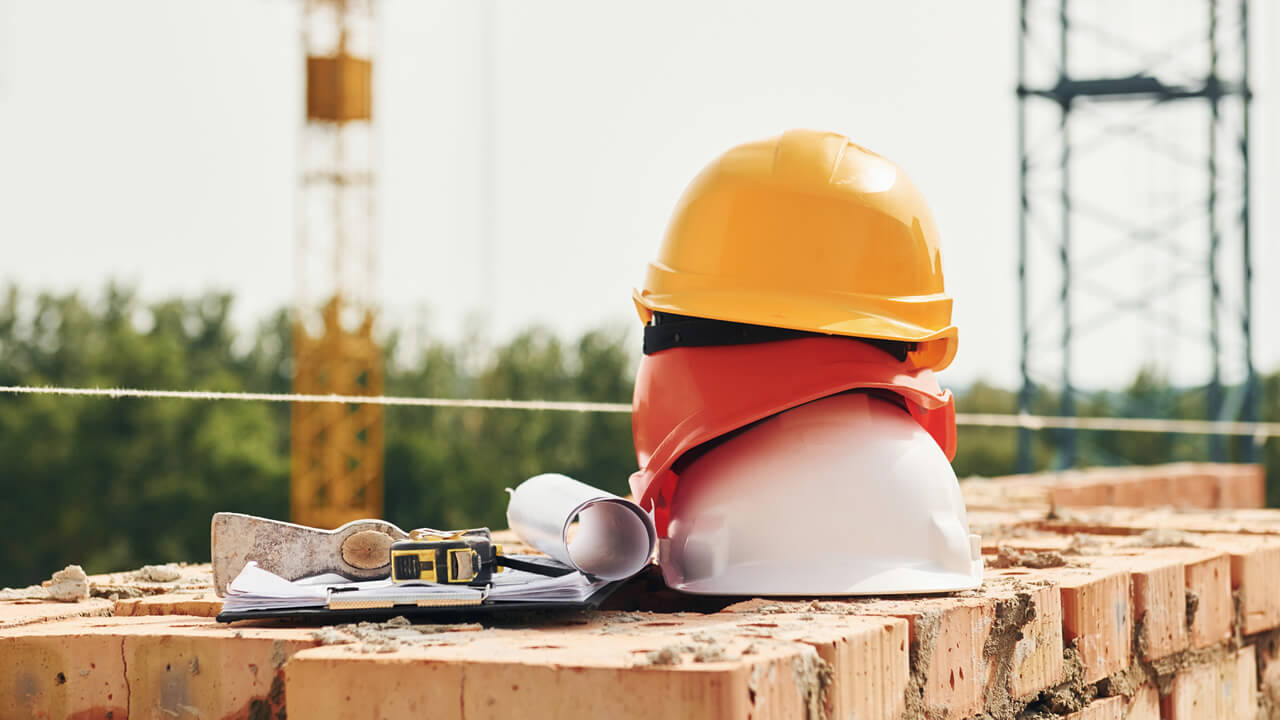
Workers on ladders should wear a hard hat, non-slip boots with solid ankle support, and a fall protection harness when working above 6 feet on a portable ladder, as required by OSHA. Tool belts should be used to keep hands free while climbing — carrying tools or materials up a ladder is one of the leading causes of ladder falls. The employer is responsible for providing this equipment. If your employer failed to provide proper safety equipment and you were injured, that failure directly supports a Labor Law §240 claim because the statute places the duty to furnish adequate safety devices on the property owner and general contractor.

During your initial consultation, the attorney will ask about the circumstances of the accident — what happened, where it occurred, and when. They will want to know who was present at the time, what type of ladder was being used, whether the ladder was provided by your employer or was your own, and whether you received any safety training related to ladder use. The attorney will also ask about the nature of your injuries, what medical treatment you have received so far, and whether you have already filed a workers’ compensation claim.

Bring any documentation you have: photos of the accident scene or the ladder, written accident reports from your employer, medical records, and the names and contact information of any witnesses. The consultation is free and confidential, and it gives both you and the attorney a chance to evaluate the strength of your case and determine the best path forward.

Why Choose Gorayeb & Associates for Your Ladder Accident Case

Not every law firm understands the specific legal framework that applies to ladder accidents in New York. Labor Law §240 cases require attorneys who know the statute inside and out — who have handled hundreds of these claims, deposed the same types of witnesses, and argued the same legal issues before New York courts. That level of focus makes a measurable difference in outcomes.

Gorayeb & Associates has spent more than 40 years focused on construction accident law. This is not a general practice firm that occasionally takes a construction case. Construction accidents are our primary practice area, and ladder falls under Labor Law §240 are cases we handle every day. That specialization means we know which experts to retain, which evidence to preserve, and how to build the strongest possible case for each client.

Our track record reflects that focus: more than $2 billion recovered for over 10,000 injured workers. Those results come from deep expertise, thorough preparation, and a willingness to take cases to trial when insurance companies refuse to offer fair compensation.

Every member of our legal team is bilingual. From your first consultation through trial, every stage of your case is available in Spanish. Hablamos español. We also give back to the community we serve through the Gorayeb Community Center, safety courses, and worker education events across the five boroughs.

We handle every ladder accident case on a contingency fee basis. Our fee comes out of the money we recover for you, not out of your pocket. You pay nothing unless we win. Consultations are free, confidential, and available 24 hours a day, 7 days a week. We maintain offices across New York City, serving workers in all five boroughs and Long Island.
Emergencias de trabajo en NY

Other Construction Accidents We Handle

Ladder accidents are one of many construction hazards our firm handles. Our attorneys also represent workers injured in:

Talk to New York Ladder Accident Lawyers You Can Trust

For over 40 years, Gorayeb & Associates has stood with injured construction workers across New York. Our firm has recovered more than $2 billion for more than 10,000 clients — and we have the experience, resources, and commitment to fight for you.

Our fee comes out of the money we recover for you, not out of your pocket. You pay nothing unless we win your case. Every consultation is free and confidential.

Contact us today to speak with an experienced New York ladder accident lawyer. Hablamos español.

Gorayeb

Free Consultation | No Fee Unless We Recover for You

Our fee comes out of the money we recover for you, not out of your pocket.

Hablamos español

For Construction Accidents, Go with Gorayeb™

Gorayeb

Our Team is Online Right Now

Expert Construction Accident Lawyers

If you were injured while working, you may need the assistance of an expert lawyer. Our construction accident lawyers at Gorayeb & Associates have over 40 years of experience winning these cases.

Available 24/7

Our team of expert construction accident lawyers is available 24 hours a day, 7 days a week. Call Gorayeb & Associates at 332-263-3892 for a free consultation.

Five-Star Customer Service

Our expert NYC construction accident lawyers will fight to get you the compensation you deserve so you can rebuild your life without financial worries.

Go with Gorayeb™
This field is for validation purposes and should be left unchanged.

Latest blog posts

Workers’ Comp vs. Third-Party Lawsuits in NYC Construction Accidents

Workers’ Comp vs. Third-Party Lawsuits in NYC Construction Accidents

Workers’ comp vs. a third-party lawsuit in your NYC construction accident (and whether you have to choose between the two) is the first question most ...
Read More
OSHA Construction Safety Violations in NYC: 2026 Guide

OSHA Construction Safety Violations in NYC: 2026 Guide

OSHA construction safety violations in NYC cost workers their lives, limbs, and livelihoods every year — and they create some of the strongest evidence your ...
Read More
NYC Scaffold Safety Laws: What Construction Workers Must Know

NYC Scaffold Safety Laws: What Construction Workers Must Know

NYC scaffold safety laws exist to protect construction workers like you, and understanding them could mean the difference between getting nothing and recovering full compensation ...
Read More
Gorayeb
All consultations are 100% confidential.
Speaking with an attorney does not notify ICE or any government agency.