
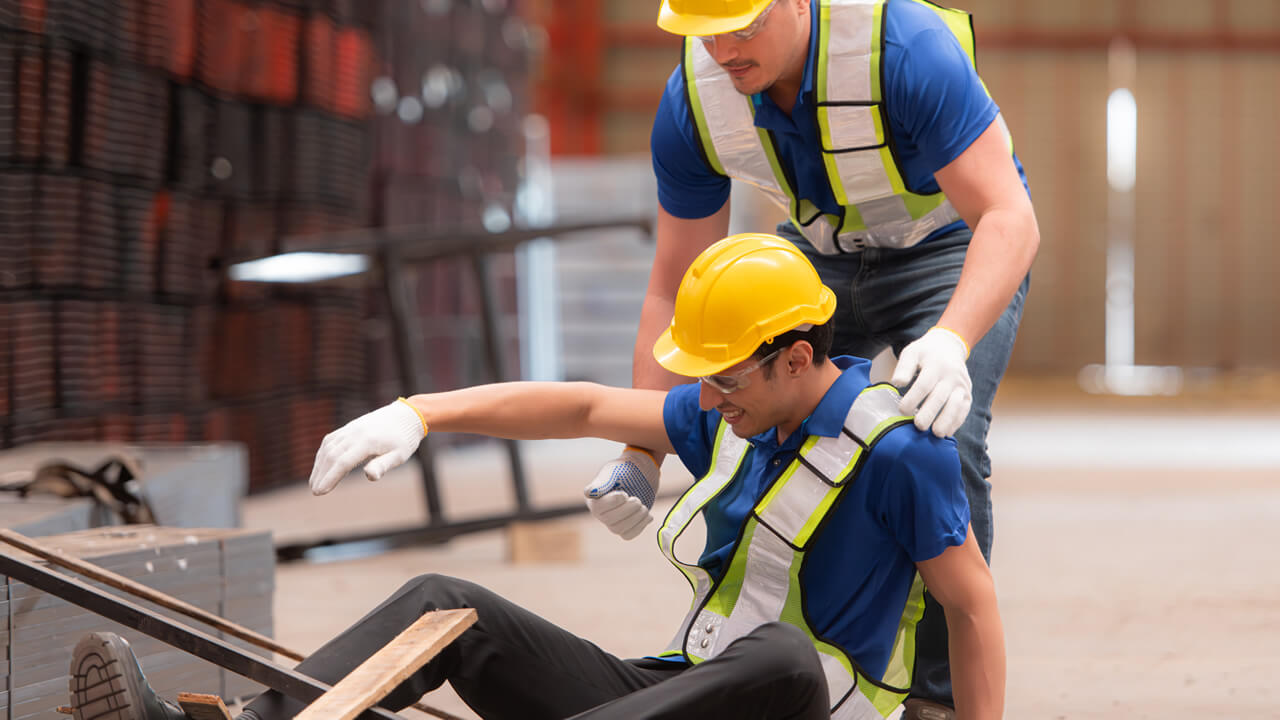
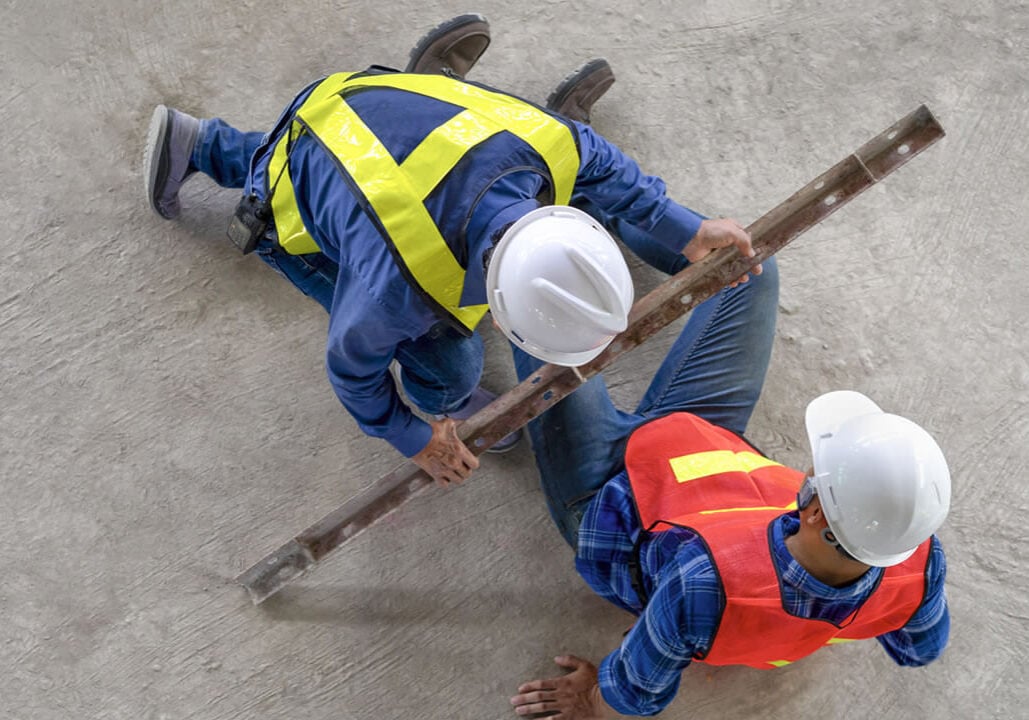


If you need New York falling object accident lawyers, Gorayeb & Associates is ready to fight for you — 24 hours a day, 7 days a week. Whether you were struck by a dropped tool, construction debris, or a crane load failure, our experienced team of NYC falling debris lawyers understands exactly how these cases work and how to hold every responsible party accountable.
Every day in New York City, workers and pedestrians are struck by falling tools, bricks, steel beams, and construction debris. We have seen firsthand how quickly these accidents happen — and how devastating the consequences can be. Whether you were a worker on-site or a passerby on a Manhattan sidewalk, a construction falling object injury attorney from our team can help you understand your rights and pursue the compensation you deserve.
At Gorayeb & Associates, we have spent more than 40 years fighting for injured workers across New York City and the surrounding region. We have recovered more than $2 billion for over 10,000 injured workers and their families.
Our team knows which laws apply to your case, how to document your injuries, and how to take on the largest property owners, contractors, and insurance companies in the state. Your first consultation is completely free. Hablamos español.
Ready to Get Started? Contact Gorayeb & Associates Today. Visit our New York Construction Accident Lawyers homepage to learn more about our full range of practice areas.
Why Falling Objects Are One of the Leading Causes
of Construction Injuries in NYC
Falling objects are not a rare event on New York City construction sites. As experienced New York falling object accident lawyers, we have seen firsthand how these incidents devastate workers and families — and why they are one of the four leading causes of construction worker deaths in the United States, in a category that OSHA calls the “Fatal Four.”
According to the Bureau of Labor Statistics, struck-by incidents — including falling objects — account for thousands of construction injuries and hundreds of deaths each year nationwide. In New York City, the risks are amplified by the sheer scale of construction activity: dozens of high-rise projects operating simultaneously, multiple contractors working on the same site, and millions of pedestrians passing through active construction zones every day.
For a closer look at local data, see our New York Construction Accident Statistics — including struck-by incident trends across New York City.
New York State has some of the strongest worker-protection laws in the country to address these dangers. But those laws only protect you if you know your rights — and if you have an experienced attorney on your side.
See the OSHA Struck-By Hazards page for federal safety standards applicable to these incidents.
Common Types of Falling Object Accidents We Handle
Falling object accidents take many forms. Our team handles all of them.
Tools Falling from Above
A hammer or wrench dropped from 10 stories can hit with the same force as a small car crash. Workers on scaffolding and upper floors often handle tools without proper tethering. When those tools slip, workers below have no warning. As a falling material injury lawyer in NYC, our firm regularly handles claims involving exactly these scenarios — from a single dropped nail gun to an improperly rigged load of lumber.
Construction Materials — Bricks, Steel Beams, and Concrete Blocks
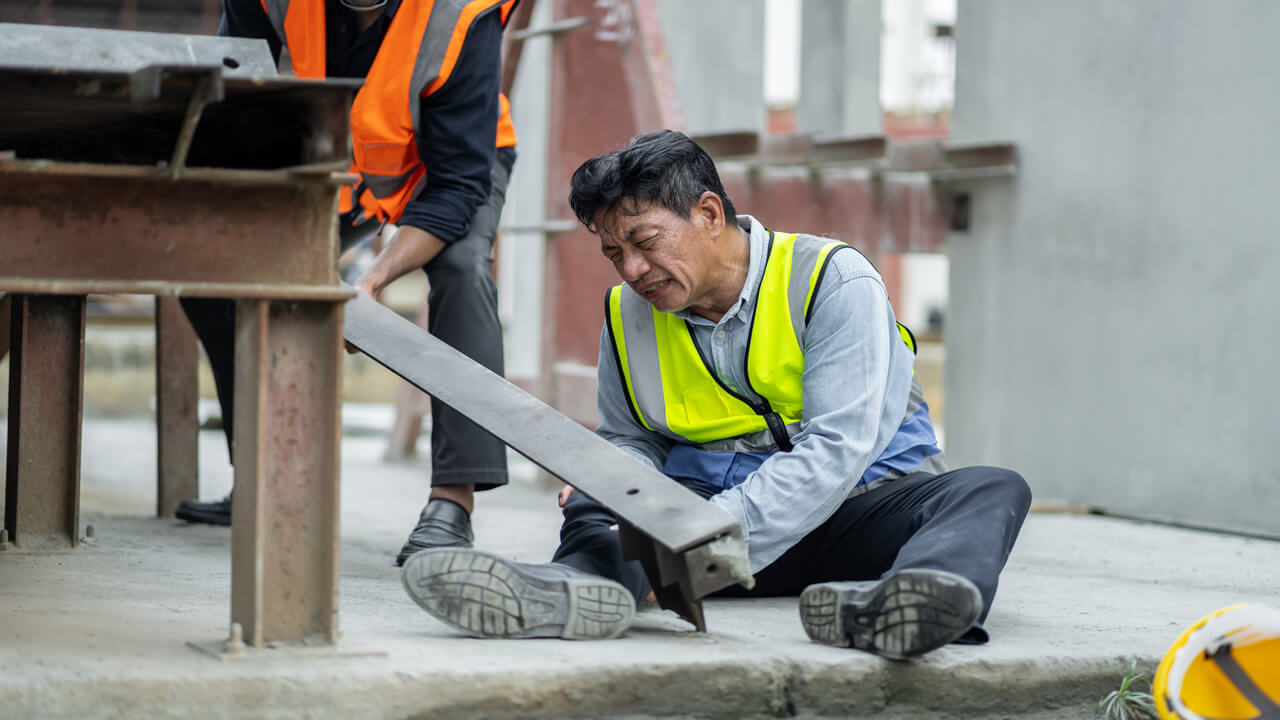
Heavy materials are moved and stacked on every construction floor. A poorly secured brick, an unsecured concrete block, or a steel beam lifted by a crane can fall without warning and crush anyone below.
Scaffold Parts Breaking Loose
Scaffolding failures can send crossbars, planks, and brackets raining down on workers and pedestrians. These accidents often involve both falling objects and scaffold collapse — two separate but related hazards.
See our New York scaffolding accident lawyers page for more information on scaffold-specific cases.
Demolition Debris
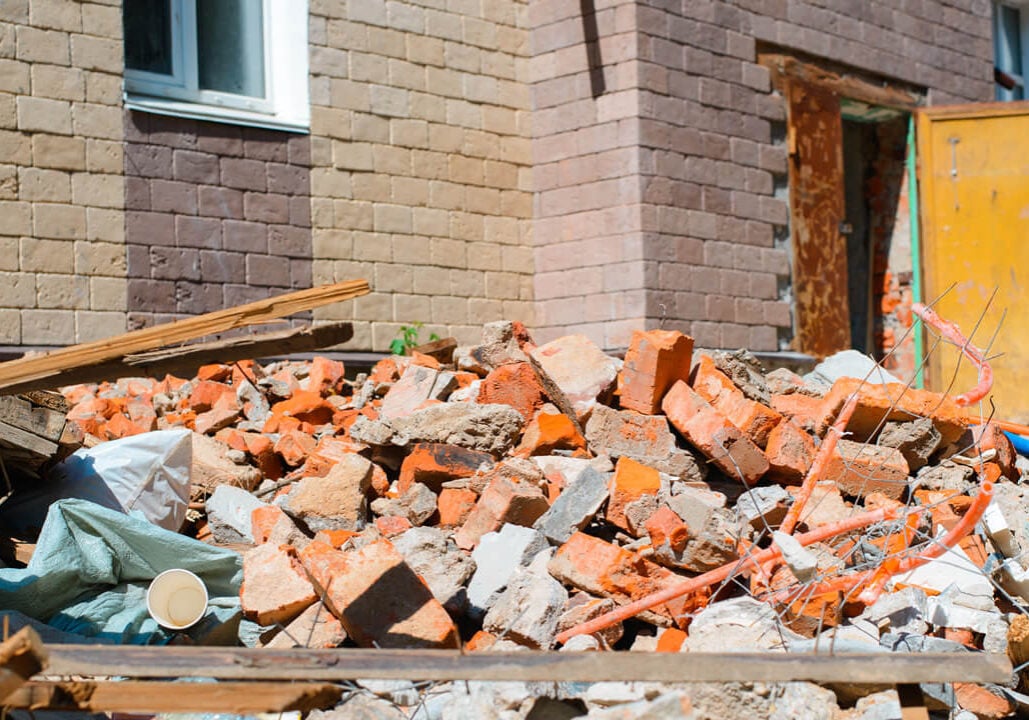
Demolition sites create uncontrolled debris fields. Chunks of masonry, shattered glass, and structural components can fly outward or fall downward when buildings are torn apart — even when proper demolition protocols are supposedly in place.
Loads Dropped from Cranes
Crane accidents involving dropped loads are among the most dangerous falling object incidents in New York City. A single load failure can kill multiple workers and pedestrians at once.
Read more on our New York crane accident lawyers page.
Objects Falling Through Floor Openings
Construction floors routinely have unguarded openings for future stairs, elevators, or utilities. Tools, materials, and even workers can fall through these openings onto workers on lower floors.
Falling Glass and Facade Materials
In New York City, facade failures — glass panels, stone cladding, and curtain wall sections — pose a particular danger in high-rise buildings. When outer wall components fail, the falling debris can strike pedestrians and workers far below at street level.
To learn more about how these hazards rank among the most common risks for construction workers in New York City, visit our blog.
Who Can Be Injured by Falling Objects at NYC Construction Sites
Falling objects do not discriminate. Anyone in or near a New York City construction zone is at risk.
- Construction workers on site — iron workers, carpenters, laborers, electricians, plumbers, and other trades
- Workers on the lower floors of a multi-story building
- Pedestrians walking past construction sites on NYC sidewalks
- Passersby in adjacent streets, parks, or outdoor dining areas
- Workers entering or exiting the job site
- Delivery personnel and truck drivers
- Nearby residents, if debris reaches adjacent buildings or yards
Both construction workers and pedestrians have legal rights after being struck by falling construction debris in New York. Your legal options depend on whether you were employed at the site, but in many cases, you may be able to file a claim even if you were simply walking by.
Injuries Caused by Falling Objects on Construction Sites
Falling objects cause some of the most severe injuries in construction accident law. Even a small object dropped from a significant height carries enormous kinetic energy by the time it reaches ground level. Common injuries in falling object accidents include:
- Traumatic brain injuries (TBI) — including concussion, skull fracture, and permanent brain damage
- Spinal cord injuries and paralysis — including partial or complete paralysis from cervical or lumbar injuries
- Broken bones and fractures — arms, legs, hands, feet, ribs, skull, and pelvis
- Crush injuries — severe tissue damage when a heavy object pins or strikes the body
- Internal bleeding and organ damage — injuries not always visible from the outside
- Severe lacerations and puncture wounds
- Eye injuries and permanent vision loss
- Neck and back injuries requiring surgery or long-term treatment
- Death
Many of these injuries require emergency surgery, extended hospitalization, physical rehabilitation, and lifelong medical care. The financial burden on injured workers and their families can be devastating. See the NIOSH Struck-By Injuries resource for national injury data.
Who Is Liable for a Falling Object Accident in New York
Multiple parties can be held responsible for a falling object accident, depending on how the incident occurred and who controlled the worksite. As a New York struck-by accident attorney firm, we conduct thorough investigations to identify every responsible party — and pursue them all.
Property Owners
Property owners bear strict liability under New York Labor Law Section 240 when a worker is injured by a falling object. This means the property owner can be held responsible even if they were not physically present on the site and had no direct control over day-to-day operations.
General Contractors
The general contractor who oversees the project is also subject to strict liability under Labor Law 240. They are responsible for ensuring that all workers on-site are protected from falling object hazards — regardless of which subcontractor employed the injured worker.
Subcontractors
Subcontractors who created or contributed to the falling object hazard — for example, by failing to secure materials or leaving tools unsecured near edges — may also be liable.
Equipment Rental Companies
Contractors in New York City frequently rent scaffolding, cranes, and rigging equipment rather than purchasing it outright. When a rental company supplies equipment that is defective, improperly maintained, or inadequately inspected, and that equipment contributes to a falling object accident, the rental company may also be held liable for the resulting injuries.
What “Absolute Liability” Means for Your Case
Under New York Labor Law 240, property owners and general contractors face absolute (strict) liability for falling object injuries. This is one of the most powerful worker-protection provisions in any state in the country. It means:
- You do not have to prove the owner or contractor was negligent.
- Even if you were partially at fault, you can still recover full compensation.
- The property owner cannot use comparative negligence as a defense.
This is why having an attorney who specializes in Labor Law 240 cases is critical. Insurance companies and defense lawyers will do everything they can to avoid paying — and they will try to shift blame onto the injured worker.
Learn more on our New York Labor Law Section 240 practice page.
How Labor Law 240 and 241(6) Apply to Falling Object Cases
New York has two major statutes that protect construction workers from falling object injuries: Labor Law Section 240 and Labor Law Section 241(6). Understanding how both apply can dramatically increase the value of your case.
Labor Law Section 240 — The Scaffold Law
Most people know New York Labor Law Section 240 as the “scaffold law,” but its protection goes much further. Section 240 explicitly covers workers who are injured when an object falls on them — not just workers who fall themselves.
For a falling object to be covered under Section 240, courts generally require that:
- The object was being hoisted, secured, or required to be secured.
- The object fell because of the absence or inadequacy of a safety device.
- The worker’s injury was a direct consequence of the fall.
When these elements are met, property owners and contractors face absolute liability — meaning they are liable as a matter of law, regardless of whether they were personally negligent.
Labor Law Section 241(6) — Industrial Code Violations
Labor Law Section 241(6) requires construction sites to comply with the New York State Industrial Code. Violations of the Industrial Code can be used as evidence of negligence in a personal injury claim. Specific Industrial Code sections that apply to falling object cases include:
- 12 NYCRR 23-1.7(a) — Overhead hazard protection.
- 12 NYCRR 23-1.8 — Personal protective equipment, including hard hats.
- 12 NYCRR 23-2.1 — Maintenance and housekeeping; storage of materials near edges.
- 12 NYCRR 23-1.22 — Overhead protection and runoff platforms.
An attorney can review the specific conditions at your worksite to determine whether Industrial Code violations contributed to your injury. These violations can support a negligence claim in addition to — or as an alternative to — a Section 240 claim.
See our related pages on New York scaffolding accident lawyers and New York ladder accident lawyers for additional context on how these statutes apply across construction accident types.
NYC Department of Buildings: Overhead Protection Requirements
The NYC Department of Buildings (DOB) imposes strict requirements for overhead protection at construction sites throughout New York City. These requirements exist precisely because falling objects pose such a significant danger to workers and the public.
Sidewalk Sheds (Scaffolding Overhead Protection)
Any construction site that poses a risk to pedestrians must install a sidewalk shed — a covered walkway that protects people on the street below from falling debris. Sidewalk sheds must be structurally sound and properly maintained throughout the project.
When a property owner or contractor fails to install a required sidewalk shed — or installs one that is inadequate — and a pedestrian is struck by falling debris, that failure is strong evidence of negligence.
Safety Net Requirements
Interior construction zones on high-rise buildings must use safety nets to catch tools and materials that fall from elevated work platforms. These nets must be installed at specific intervals below the working floor to limit the distance any falling object can travel.
Hard Hat Policies
All workers on active construction sites in New York City are required to wear hard hats. Employers and site supervisors are responsible for enforcing this rule. Failure to provide or enforce hard hat use is a violation of both OSHA standards and New York Industrial Code requirements.
Using DOB Violations as Evidence
When a construction site has active DOB violations related to overhead protection at the time of your accident, those violations can be introduced as evidence of the property owner’s or contractor’s negligence. Our team conducts thorough investigations to identify all relevant DOB records, inspection reports, and violation histories for every site where our clients were injured.
What Compensation Can You Recover After a Falling Object Accident
A successful falling object claim can cover a wide range of economic and non-economic losses. The specific damages in your case will depend on the severity of your injuries, your employment status, and how the accident occurred. Compensation may include:
- Emergency medical care — ambulance, ER visits, surgery, and hospitalization.
- Ongoing medical treatment — follow-up appointments, specialist care, and medications.
- Physical rehabilitation and therapy — occupational therapy, physical therapy, and cognitive rehab for brain injuries.
- Lost wages — income you were unable to earn while recovering.
- Loss of future earning capacity — if your injuries prevent you from returning to your trade or working at full capacity.
- Pain and suffering — compensation for the physical and emotional toll of your injuries.
- Permanent disability — additional compensation if your injuries result in lasting impairment.
- Home care and modification costs — if your injuries require in-home assistance or modifications to your residence.
In cases involving Labor Law 240, you cannot be found comparatively negligent. This means your compensation cannot be reduced because an employer or insurance company claims you contributed to your own injury.
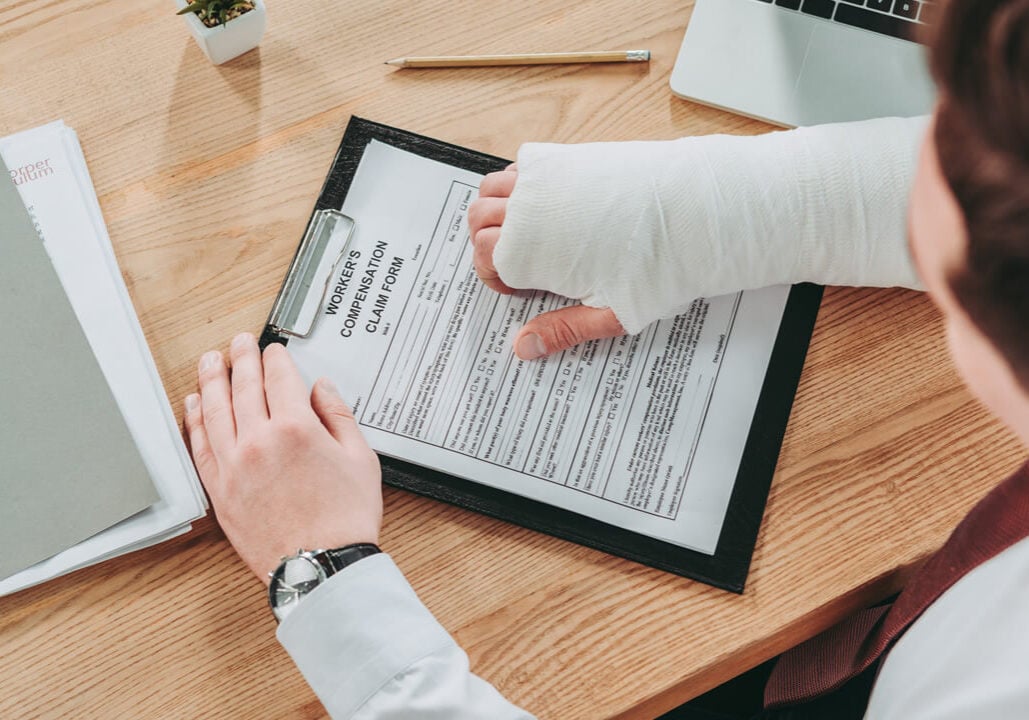
Learn more about your rights through our New York Workers’ Compensation Lawyers page.
Wondering what your case is worth? Our attorneys will review your injuries, your lost wages, and your long-term needs — for free. Hablamos español.
Wrongful Death Claims After Fatal Falling Object Accidents
Not every worker struck by a falling object survives. When a worker or pedestrian is killed by falling construction debris, their family may have the right to file a wrongful death lawsuit.
Who Can File a Wrongful Death Claim?
In New York, a wrongful death lawsuit is filed by the personal representative of the deceased’s estate — typically a spouse, parent, or adult child. Surviving family members may be entitled to compensation even if they were not present at the accident.
What Damages Can a Family Recover?
- Medical expenses incurred before death.
- Funeral and burial costs.
- Lost financial support the deceased would have provided.
- Loss of parental guidance and care for surviving children.
- Pre-death pain and suffering.
The Statute of Limitations for Wrongful Death
In New York, a wrongful death claim must generally be filed within two years of the date of death. Time passes quickly when a family is grieving — do not wait to speak with an attorney.
Visit our New York Wrongful Death Lawyers page for full details on how these claims work.
Did you lose a family member in a falling object accident? Our wrongful death attorneys will guide your family through every step. Free consultation, available 24/7. Hablamos español.
What to Do If You Are Struck by a Falling Object on a NYC Construction Site
The steps you take immediately after a falling object accident can have a major impact on the outcome of your case. Follow these steps as closely as possible.
- Seek immediate medical attention. Even if you do not feel seriously hurt, a medical evaluation is essential. Some serious injuries — including brain injuries and internal bleeding — may not produce obvious symptoms right away. Your medical records will also serve as critical evidence in your claim.
- Report the accident to your employer or site supervisor. Get the report in writing if possible. Do not let your employer minimize or dismiss the incident.
- Document the scene. If you are physically able, take photos and video of the location, the object that fell, any safety equipment (or lack of it), and your injuries. Photograph warning signs, barriers, and any overhead work areas above you.
- Get witness information. Collect the names and contact details of anyone who saw the accident. Coworkers who are pressured by employers to stay silent can often be reached later by your attorney.
- Preserve your clothing and any physical evidence. Do not wash or discard anything you were wearing at the time of the accident.
- Contact a falling tool accident lawyer in NYC before speaking to any insurance company.
For a full guide to protecting your rights, read What To Do If You Were Injured on a Construction Site in NYC.
How Insurance Companies Try to Reduce Falling Object Claims
After a falling object accident, the property owner’s or employer’s insurance company will move quickly to protect its bottom line. Knowing their tactics is your first line of defense.
Who Can File a Wrongful Death Claim?
Insurers will often claim your injuries are not as serious as you say — especially for injuries like traumatic brain injuries, soft tissue damage, and chronic pain, which are not always visible on imaging. They may use independent medical examiners who work for them, not for you.
Blaming the Injured Worker
Even in cases covered by Labor Law 240 — where worker negligence is not a valid defense — insurance companies will attempt to shift blame. They may claim you were not wearing proper protective equipment, not following safety protocols, or that you were distracted at the time of the accident.
Delaying Treatment Authorizations and Benefits
Workers’ compensation insurers routinely delay approvals for surgery, physical therapy, and specialist referrals. These delays are not accidental — they are designed to pressure injured workers into accepting lower settlements.
Making Early, Lowball Settlement Offers
Many insurance companies approach injured workers before they have a lawyer and offer fast settlements that seem appealing at first. These offers rarely reflect the true long-term value of a serious injury claim.
The best protection against all of these tactics is an experienced attorney who understands the insurance industry’s playbook — and who is not afraid to take a case to trial when necessary.
Our Commitment to the Hispanic and Immigrant
Construction Worker Community
New York City’s construction industry is built on the labor of immigrant workers, many of whom speak Spanish as their first language. Gorayeb & Associates has served this community for decades.
Christopher J. Gorayeb and our bilingual legal team communicate with clients in both English and Spanish. We understand the unique challenges that immigrant workers face after a construction accident: fear of employers, confusion about legal status, and uncertainty about whether they have any rights at all.
Here is what you need to know:
- Your immigration status does not affect your right to file a claim after a falling object accident in New York.
- Workers’ compensation and Labor Law 240 protections apply to every worker on a New York construction site — regardless of documentation status.
- All consultations with our firm are 100% confidential. We will never share your personal information without your consent.
Visit our Community Center to learn more about the resources we make available to the New York construction worker community.
Our team is here to help you. Free consultations are available 24 hours a day, 7 days a week. Your immigration status does not affect your rights. Contact us today to start your case. Hablamos español.
Frequently Asked Questions About Falling Object Accidents in New York
Other Construction Accident Cases We Handle
Falling object accidents are one of many types of construction injury cases we handle. Our team has the experience and resources to take on the most complex cases in New York. Related practice areas:
- New York Scaffolding Accident Lawyers
- New York Roofing Accident Lawyers
- New York Ladder Accident Lawyers
- New York Crane Accident Lawyers
- New York Labor Law Section 240
- New York Wrongful Death Lawyers
- New York Workers’ Compensation Lawyers
Helpful resources: New York Construction Accident Statistics | How to Start Your Case | Meet Our Attorneys
For additional safety information, visit NIOSH Struck-By Injuries at the CDC.
Contact a New York Falling Object Accident Lawyer — Free Consultation
If you or a family member has been struck by a falling object on a New York City construction site, you need experienced New York falling object accident lawyers in your corner today.
At Gorayeb & Associates, we have spent more than 40 years fighting for injured workers and their families. We have recovered over $2 billion in compensation. We know New York Labor Law 240 inside and out. And we are not afraid to take on the largest property owners, general contractors, and insurance companies in the state.
Our consultations are always free. We work on a contingency fee — you pay nothing unless we win. Our team is available 24 hours a day, 7 days a week. Hablamos español.
Do not wait. The evidence at your accident site can disappear quickly. Deadlines apply. Your rights depend on acting now.
Contact Gorayeb & Associates now for your free case review. Available 24/7. Our fee comes out of the money we recover for you, not out of your pocket. For Construction Accidents, Go with Gorayeb™ • Hablamos español.
Our Team is Online Right Now